Small services do not need a sprawling observability stack, but they do need enough evidence to answer three questions: what did the user experience, where did the request spend time, and which dependency failed?
Choose a few useful signals
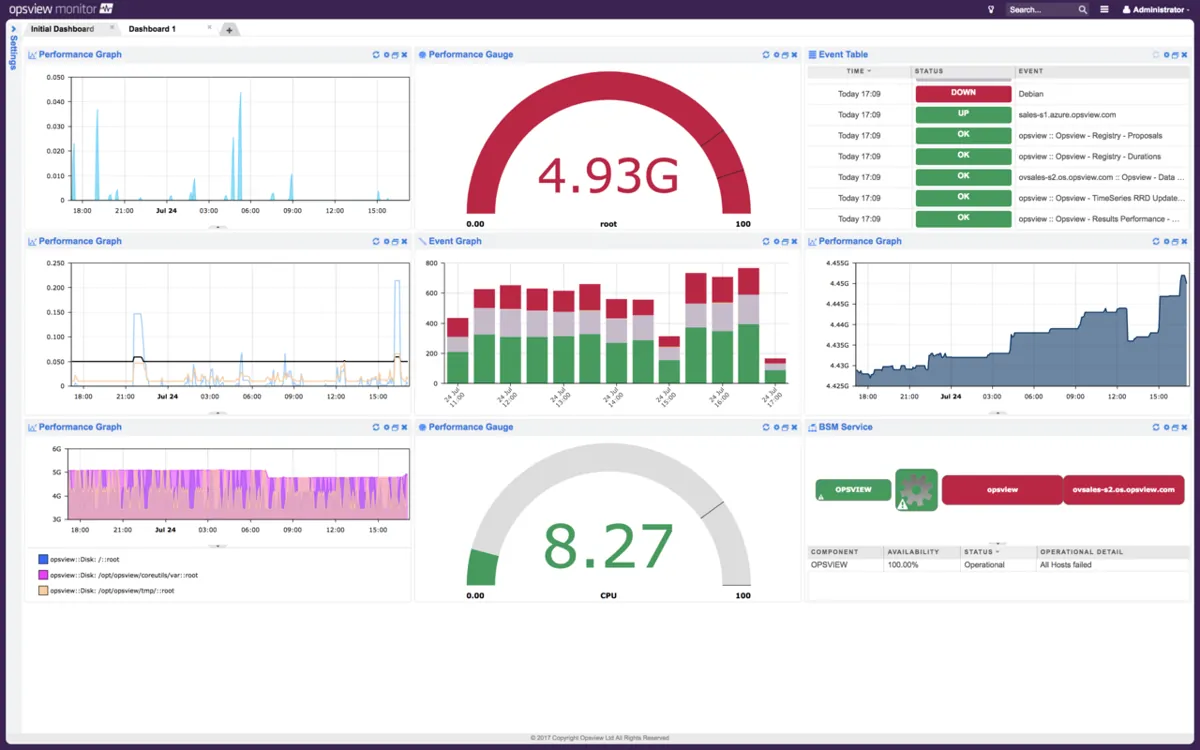
Start with request rate, error rate, latency, and saturation. Add a stable request or trace identifier to structured logs so one user action can be followed across a boundary. Avoid logging secrets, full request bodies, or personal data simply because the logging library makes it easy.
Instrument the path users take
Measure the endpoints and background jobs that matter to the product, not every function call. A database query timer and an outbound request timer often explain more than hundreds of internal debug messages. OpenTelemetry’s observability primer describes how traces, metrics, and logs complement one another.
Make alerts actionable
Alert on a condition that needs a human response, such as sustained failed checkouts or a queue that cannot catch up. Include the owner, impact, and first safe checks in the alert. Review noisy alerts every week; an alert that is ignored has become a hidden outage.
Follow one slow request
When a user reports a slow checkout, find its request ID in the access log. A trace can show 40 milliseconds in application code, 80 in the database, and several seconds waiting on an external API. That changes the next action: adding application workers will not repair the external dependency. Put the release version, endpoint, status, and duration in the same record so the team can compare before and after a deploy.
Budget for the data
High-cardinality labels such as email addresses or raw URLs can make metrics costly and expose user data. Use stable route patterns and aggregate counts. Keep detailed traces for a sampled fraction of successful requests and a higher share of failures if the tooling supports it. Decide retention by operational need, and test whether deleting a customer record leaves their content behind in logs.
Sources
Read the OpenTelemetry observability primer and Google’s Monitoring Distributed Systems chapter for the signal and alerting principles behind these choices.